
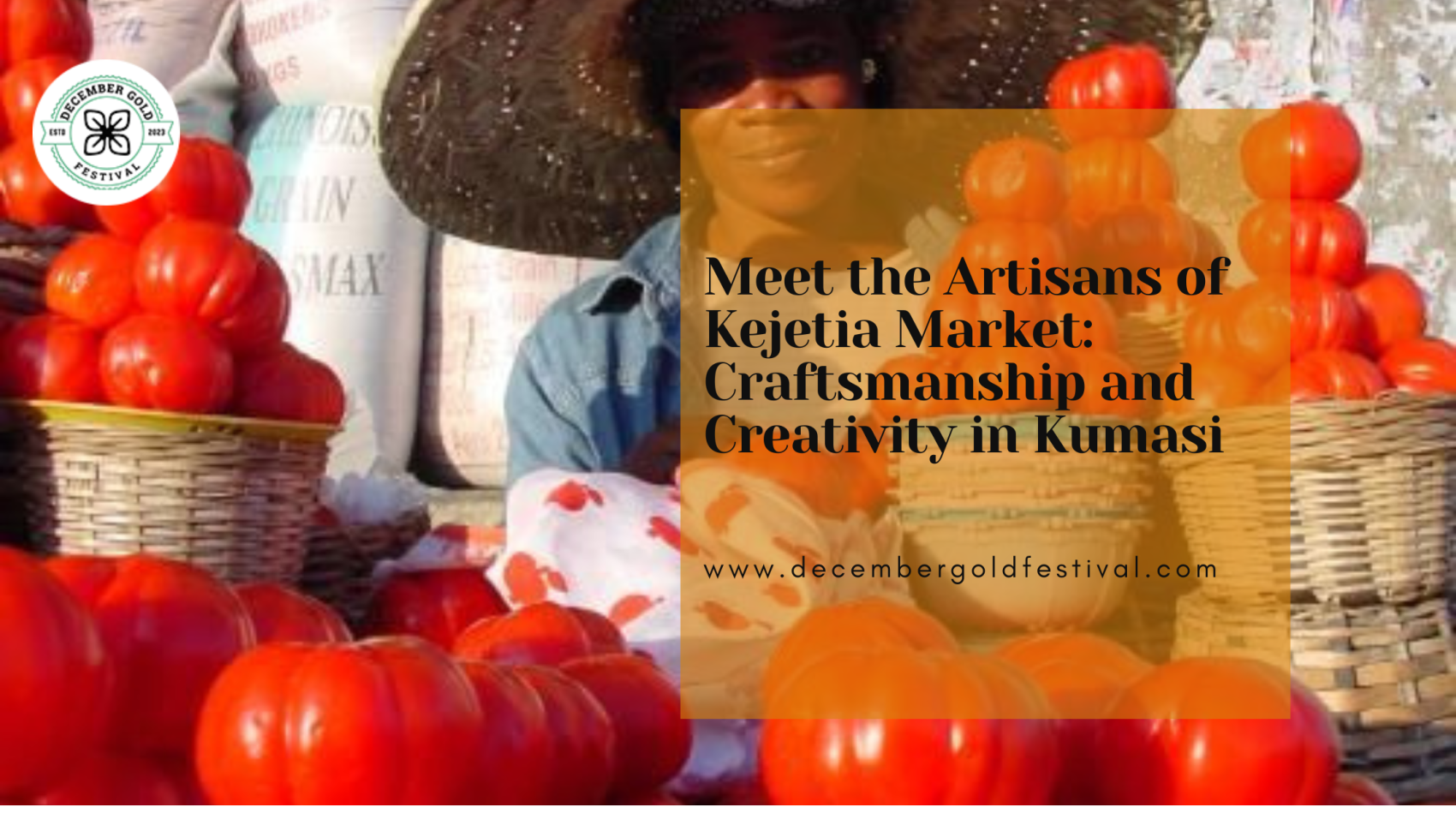
The Kumasi Central Market, popularly known among locals as Kejetia Market, is the largest open-air market in West Africa, spanning an impressive one and a half miles and boasting a capacity of over 20,000 vendors. This busy marketplace is a treasure trove where visitors can find everything from fresh produce and spices to traditional clothing and unique handicrafts.
Beyond its vast selection, Kejetia Market is a lively cultural hub that showcases the exceptional craftsmanship and creativity of local artisans. Join us as we delve into the heart of this bustling market and meet the talented individuals whose artistry brings the essence of Ghana to life.
A Brief History of Kejetia Market
The history of Kejetia Market dates back to the early 1900s, when it began as a small trading post for local farmers and merchants to sell their products.
As Kumasi developed into a key trade center in West Africa and beyond, the market’s significance grew alongside it. Initially called the Kumasi Central Market, it was situated on a small plot near the Asafo and Asantemanso gates.
However, as the number of vendors and shoppers increased, it became evident that a larger space was necessary. In 1954, the Kumasi Municipal Council acquired a significant amount of land in the Kejetia area and started constructing a new market.
By 1957, the newly named Kejetia Market opened its doors and quickly established itself as one of the largest and busiest markets in West Africa.
Over the years, Kejetia Market has undergone numerous renovations and expansions to meet the demands of the growing city. A major renovation project was launched in 2015, further enhancing its facilities.
Today, Kejetia Market has been in operation for over 200 years and stands as a crucial component of Ghana’s economy. It serves as a trading and commerce hub, drawing visitors from all over the country and even beyond.
One of the standout features of Kejetia Market is its organization. Despite its vast size, the market is divided into sections dedicated to various types of goods, such as electronics, clothing, food, and traditional crafts.
This layout not only helps shoppers easily locate what they need but also enables traders to efficiently showcase their products.
The Artisans: Masters of Their Craft
DecemberGold, your one-stop guide to the heart of the Ashanti Kingdom, has had the pleasure of meeting with a few artisans at the bustling Kejetia Market to shine a spotlight on their incredible crafts.
We delved into their journeys, learning about when they started their trades and the progress they’ve made within the market. Their stories will provide a fascinating glimpse into their skills, dedication, and creativity.
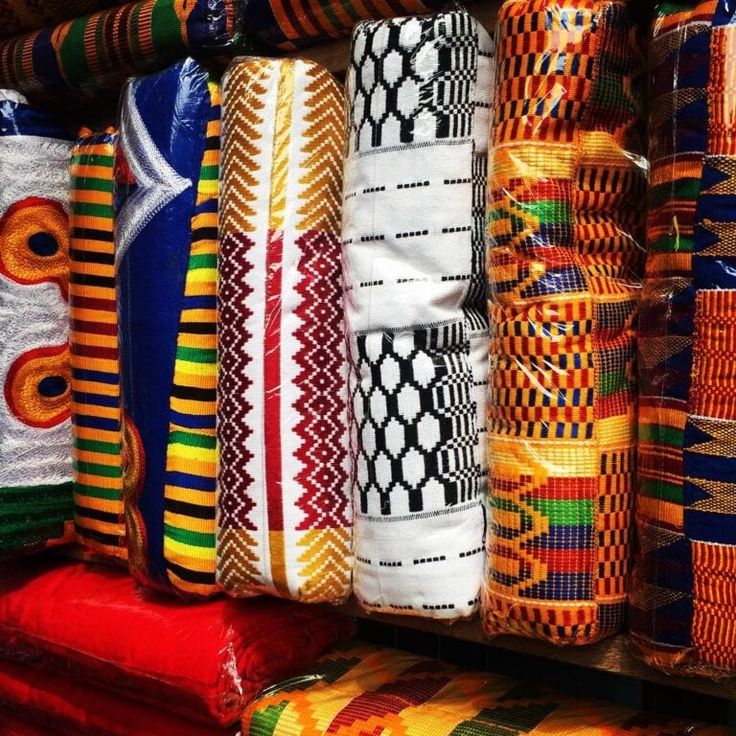
From weavers to sculptors, these talented individuals preserve traditional crafts while also embracing innovation. Here are a few artisans you can find in the market:
1. Prince Adu Mensah
Prince began his journey as a kente weaver in Adanwomase, a town in the Ashanti Region. Initially, he would weave beautiful pieces of kente and transport them to his clients at the former Kumasi Central Market and Bantama Market. As he honed his skills and became a master in the craft, his reputation grew, attracting clients from near and far.
However, the challenge of managing distribution began to hinder his success, causing him to lose some clients and income. When the renovation of the market began in 2015, Prince seized the opportunity to rent a shop at Kejetia Market.
This move not only allowed him to establish a permanent presence but also enabled him to hire and train young individuals interested in learning the trade. He now proudly owns three shops in Kejetia and has a dedicated team of trained artisans who assist him in fulfilling all his clients’ requests.
2. Veronica Akosua Serwaa
Known affectionately as Aunty Serwaa in Kejetia Market, Veronica is a master bead maker with a reputation for selling only authentic Ghanaian beads. She specializes in high-quality beads made from ceramic, metal, gemstones, crystals, and wood—never the imitation glassy types.
While her prices might be a bit higher, she explains that they reflect the craftsmanship and authenticity of her pieces. Aunty Serwaa’s journey began with her great-grandmother in Krofokrom, where she learned the art of bead making.
Starting out as a bead hawker, she traveled extensively, bringing her craft to clients across the region. As her business and her inventory of rare, precious beads grew, she realized the need for a permanent location where customers could reliably find her. Establishing her own shop at Kejetia allowed her to settle and build her brand while her clients could access her without her constant travel.
Today, she operates with a dedicated team of workers and apprentices whom she personally trains to maintain her high standards. With a focus on quality and traditional craftsmanship, Aunty Serwaa proudly upholds her reputation as the market’s go-to source for genuine, beautifully crafted Ghanaian beads.
The Takoradi Brothers
Richard Kofi Mensah Ntow, Edward Ntow, and Frank Ntow, known collectively as “The Takoradi Brothers,” have built a reputation for selling authentic Ghanaian leather goods in Kejetia Market.
Their journey began when their father sent them from Takoradi to Kumasi to learn a trade under their uncle’s guidance. They initially started by selling pure water, but their uncle soon enrolled them as apprentices in carpentry and masonry.
While Kofi Mensah embraced carpentry, Edward wasn’t as drawn to it and left after a year to pursue shoemaking with a friend. Frank joined him, and they began working by bringing clients to their friend, earning a commission on each sale.
Eventually, tensions over money-sharing arose, and the brothers parted ways with their friend. They soon crossed paths with Wofa Mensah, a highly skilled artisan who taught them everything about shoemaking, bag-making, and working with leather.
Meanwhile, Kofi Mensah completed his carpentry training but found work hard to come by, so he joined his brothers in their growing leather goods venture. Together, they established “The Takoradi Brothers,” a brand that now thrives in Kejetia Market, known for its quality handmade leather shoes, bags, and accessories.
Their journey reflects resilience, teamwork, and the pursuit of authentic Ghanaian craftsmanship, which has earned them a loyal customer base at the heart of Kumasi’s bustling market.
The Cultural Significance of Artistic Crafts
The craftsmanship found at Kejetia Market is more than just a means of livelihood; it is a vital expression of cultural identity.
Each artisan contributes to the rich values of Ghanaian heritage, ensuring that traditional practices are not forgotten. The significance of these crafts extends beyond aesthetics; they carry stories, beliefs, and values that have been passed down through generations.
By purchasing items from these artisans, visitors not only take home unique souvenirs but also support the preservation of Ghana’s cultural legacy.
This connection between artisans and consumers helps sustain the local economy and empowers craftspeople to continue their work in the face of globalization and changing market trends. As visitors exploring Kejetia Market, it’s important to support the local artisans who pour their hearts into their crafts.
Purchasing handmade items directly from the makers fosters a sense of community and encourages the continuation of these traditional practices. Additionally, consider engaging with artisans by asking questions about their work and the techniques they use.
This interaction not only enriches your shopping experience but also honors the dedication and passion of these skilled craftspeople.
Conclusion: A Journey Through Art and Culture
Kejetia Market is more than just a shopping destination; it is a celebration of craftsmanship and creativity in Kumasi. By visiting this vibrant marketplace, you can immerse yourself in the rich cultural heritage of Ghana while supporting local artisans.
Each handcrafted item tells a story, and every purchase contributes to the sustainability of traditional crafts. As you journey through the Kejetia Market, each encounter with these skilled artisans brings you closer to the soul of the Ashanti Kingdom.
Their stories of resilience, heritage, and dedication are woven into every bead, fabric, and leather item, connecting the past with the present through their craft. To truly experience the essence of these artisanal traditions, register with DecemberGold, your dedicated guide to uncovering the remarkable stories behind each handcrafted piece.
Discover the journeys, techniques, and heritage that breathe life into Kejetia Market’s unique offerings and witness firsthand the artistry that makes this market a cultural gem. With DecemberGold, your journey through Ghana will be not only enjoyable but also filled with memories that celebrate the artistry and creativity of its people.