Best time to travel to Kumasi

The Best Time to Visit Kumasi for an Unforgettable Tourist Experience

Are you stuck on when to visit Kumasi, the cultural city of Ghana? Whether it’s a fun hangout with friends, a family getaway, a romantic trip, or even a business venture, knowing the best time to visit will make all the difference. 

That’s why DecemberGold has gone the extra mile to put together the best times to visit this lovely city, ensuring you have the most enjoyable and unforgettable experience possible!

In this guide, we’ll walk you through the best times to visit Kumasi, so you can book your trip and make the most of every moment. Ready to find out when to plan your Kumasi adventure? Let’s get started!

Why Should Kumasi Be Your Next Travel Destination?

Before we dive into the details of when to visit this vibrant city, let’s talk about why you should make Kumasi your next travel destination. From its rich cultural heritage to the lively markets, welcoming locals, and fascinating historical landmarks, Kumasi is a city that offers something for everyone. 

Whether you’re a history lover, an adventure seeker, or just looking for a place to relax and soak in the atmosphere, Kumasi will leave you with memories that last a lifetime with its tropical climate, which means it’s mostly warm and humid year-round. However, the year is divided into two main seasons that can influence the best time to visit:

  • Dry Season (November to March): This is when you’ll get the sunniest, most pleasant weather for sightseeing and outdoor activities. If you love exploring cultural sites and festivals, this is the perfect time to be in Kumasi.
  • Rainy Season (April to October): While the landscape is lush and green during this time, expect showers. Rain can sometimes disrupt outdoor activities, but it’s also a great time if you prefer a quieter, less crowded atmosphere. Now, let’s delve into why this city should be at the top of your travel list!

When to Visit for the Most Fun and Adventure?

If you’re looking for the best time to visit Kumasi, you’ll want to know when the city is most alive with fun events, cultural festivals, and outdoor activities. At DecemberGold, we specialize in curating the best travel packages for your fun-filled trip, and we’ve found that the ideal time to visit Kumasi is from December 19th to January 3rd. Here’s why:

Festivals and Events

Kumasi is known for its rich cultural festivals, and one of the most exciting times to be there is during the Akwasidae Festival, which happens every six weeks. If you’re lucky enough to visit during this time, you’ll experience traditional Ashanti dances, drumming, and royal ceremonies that will immerse you in the heart of the Ashanti culture. For a festive experience like no other, this is the best time to visit!

Moreover, the Christmas and New Year period is buzzing with energy in Kumasi. The streets come alive with celebrations, parties, and local music. Markets like Kejetia are busy, offering a chance to shop for beautiful handmade crafts, clothing, and delicious street food.

Perfect Weather for Exploring

From December 19th to January 3rd, the dry season in Kumasi is in full swing, offering warm and sunny weather ideal for sightseeing and outdoor activities. This is the best time to explore the city’s cultural spots, like the Manhyia Palace, Bobiri Forest, Kumasi Fort, Lake Bosomtwe, and many more destinations, without worrying about rain ruining your plans.

During these two weeks, the temperatures are comfortable for walks and city tours. Plus, you can take advantage of outdoor spaces like the Kumasi Zoo and Baba Yara Stadium, where you can engage in local activities or watch a football match.

Why DecemberGold is Your Perfect Travel Partner for a Fun Trip to Kumasi

At DecemberGold, we offer a two-week tour package that takes you on an adventure through Kumasi from December 19th to January 3rd, giving you the opportunity to experience everything the city has to offer without any stress. Here’s why our packages are the best way to visit Kumasi:

1.Custom-Designed Packages

Our packages are tailored to provide the perfect balance of sightseeing, relaxation, and cultural immersion. So if you just want to shop, explore historic sites, or attend local festivals, we’ve got it covered. You can even enjoy some downtime at your hotel, taking in the serene environment.

2. All-Inclusive Experience

From comfortable accommodations to delicious meals and guided tours, we’ve designed our packages to include everything you need for a stress-free trip. All you need to do is pack your bags and show up; we’ll handle the rest.

3. Local Expertise

With our deep knowledge of Kumasi and its attractions, we ensure you don’t miss out on the best experiences. Our local guides will share insights into the culture, history, and hidden gems of the city, making your trip even more enriching.

4. Seamless Travel

No need to worry about booking tickets or arranging transport—we take care of everything! Our all-inclusive packages cover transport, accommodation, meals, and activities, leaving you free to enjoy your trip without the hassle.

What’s Included in Our December Gold Kumasi Package?

  • Guided Tours: Explore the most popular spots in Kumasi, including historical landmarks and natural wonders.
  • Accommodations: Stay at top-rated hotels that provide a comfortable, cozy atmosphere with excellent service and modern amenities.
  • Meals: Enjoy delicious, local Ghanaian cuisine at the best restaurants in the city, ensuring you taste the flavors of Kumasi.
  • Cultural Experiences: Participate in local festivals and events, including the Akwasidae Festival and Christmas celebrations.
  • Free Time: Have time to relax, shop, or explore Kumasi on your own at your leisure.

How to Book Your Trip with December Gold

Booking your trip to Kumasi with DecemberGold is simple and hassle-free. All you have to do is:

  1. Contact Us: Reach out to us through our website or phone to discuss your travel plans.
  2. Choose Your Package: We offer various options that can be tailored to your preferences.
  3. Book Your Slot: Once you’ve booked your ticket, your spot is officially secured for the exciting adventure happening from December 19th to January 3rd.
  4. Get Ready to Go: Pack your bags and get ready for an unforgettable journey!

Conclusion

Kumasi is a city full of culture, excitement, and endless adventures, and the best time to experience it all is from December 19th to January 3rd. With DecemberGold, you’ll enjoy a stress-free, fun-packed trip with everything taken care of. From festivals and cultural tours to delicious food and beautiful sights, Kumasi offers it all.

Don’t miss out on the chance to explore Kumasi in its most festive season. Book your trip with DecemberGold today, and let us help you make the most of your visit. Whether you’re here for business, adventure, or cultural immersion, Kumasi is ready to welcome you with open arms!
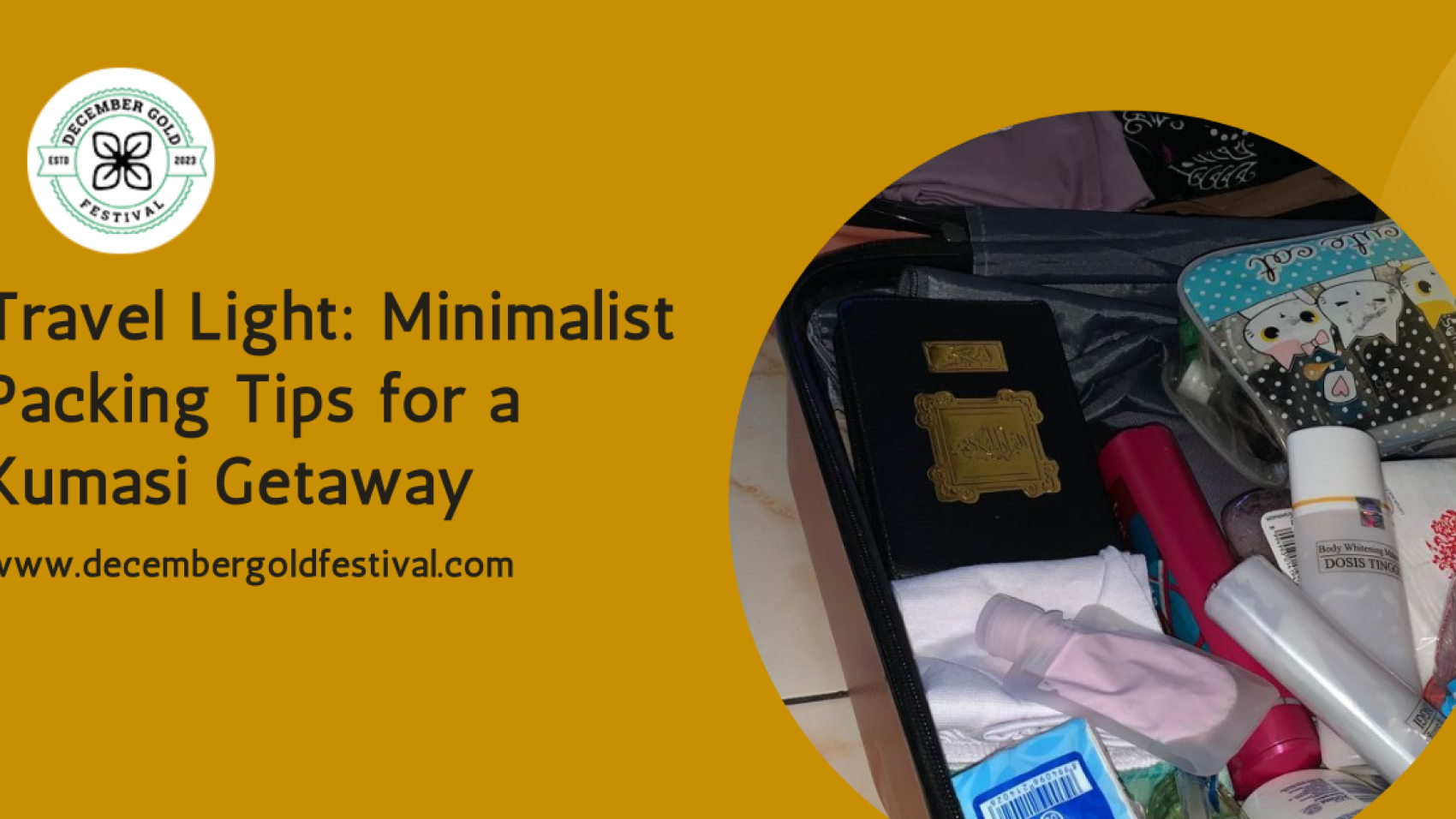
Travel Light: Minimalist Packing Tips for a Kumasi Getaway

Travel Light: Minimalist Packing Tips for a Kumasi Getaway

Are you thinking of traveling to Kumasi this festive season? Maybe it’s a fun girls’ trip, a much-needed family adventure, or a romantic couple’s getaway. Whatever the plan, packing for two weeks can feel like such a chore. 

You want your luggage to be light, simple, and easy to carry but still have everything you’ll need for the perfect Christmas break. Sound familiar? Don’t worry, we’ve got you covered!

Welcome to DecemberGold! We’re your friendly guide to exploring Kumasi, the vibrant Garden City, without stress. Whether it’s packing tips, travel hacks, or advice on making the most of your trip, we’re here to help you keep it light and breezy. So, come along as we talk about how you can travel light as a minimalist.

Know the Essentials of Minimalist Packing

Packing light is all about carrying only what you truly need and skipping the extras that just weigh you down. It’s about being practical without sacrificing comfort. Kumasi is a big with everything you could possibly find in a city in Ghana, but let’s be honest—how much fun can you have when you’re dragging bags everywhere? Sure, some people might manage, but you and I both know it’s not the same for everyone.

Imagine trying to soak in the beauty and culture of the Manhyia Palace or having the best time at a night out events while constantly worrying about your add-ons. It’s tiring, isn’t it? And let’s not even talk about losing track of your stuff because you overpacked.

The goal here is to keep things simple, so you can move around freely, enjoy your trip, and focus on making memories—not managing your bags. Stick with the essentials, and trust me, you’ll thank yourself later!

Fun Activities in Kumasi as a Minimalist

Minimalist Packing Checklist for a Two-Week Kumasi Trip With DecemberGold

When you’re planning a two-week adventure in Kumasi, the key is to pack just enough to have everything you need without the extra weight slowing you down. The trick to minimalist packing is about being smart and simple, focusing on the basics so you can have more room to enjoy the journey. Below are the important things you can pack for your trip as a minimalist.

Clothing

Start by choosing clothes that are versatile and easy to mix and match. Pack a few light tops, comfortable trousers or skirts, and enough underwear to last you through your stay. The idea is to keep things simple while still having enough options to create multiple outfits without overpacking.

Since you’ll be spending a lot of time out exploring, comfort is key. Be sure to pack a pair of comfortable walking shoes for day trips and a pair of sandals for when you’re relaxing or heading to a casual outing.

Don’t forget to bring a hat and sunglasses for sun protection while you explore in style. For the evenings, consider adding a light sweater, cardigan, or any outfit that would be perfect for a night out, whether it’s a dinner date, clubbing, or a fun evening stroll around the city. This way, you’ll be prepared for whatever adventure comes your way, day or night!

Travel Light: Minimalist Packing Tips for a Kumasi Getaway

Toiletries

Keep your toiletries simple and compact. A small toiletry kit with just the essentials—like toothpaste, a toothbrush, and deodorant—will be more than enough. While most of these items are easy to find in Kumasi, and some hotels or guesthouses even provide them for free, it’s always a good idea to have your own on hand. You never know when you might need a quick refresh or find yourself in a situation where those essentials come in handy.

Electronics

When it comes to electronics, your phone will be your best travel companion. Make sure it’s fully loaded with offline maps and helpful travel apps so you can navigate the streets of Kumasi with ease. A portable charger is also a must-have to keep your phone powered up while you’re out exploring.

If you’re someone who loves snapping photos, consider bringing a small camera to capture all the beautiful moments you’ll experience in Kumasi. The city is full of stunning sights, so having the right tools to document your journey is a great idea.

Now, if you’re planning to sneak in a little work while you’re away, you might want to bring your laptop or tablet to stay connected. However, remember, this is your time to unwind! 

These two weeks are all about enjoying a well-deserved break from work stress, so don’t feel pressured to stay plugged in. Keep it light, and make the most of the time to relax and enjoy Kumasi without distractions!

Other Essentials

These might seem like small details, but trust me, they’ll make your trip smoother! First, don’t forget your bank cards—you’ll want them for easy payments and withdrawals, especially if you’re exploring local spots where cash might come in handy. It’s also a good idea to carry a bit of extra cash if you’re traveling by road and planning to stop at local markets or roadside stalls.

A small first-aid kit can be a lifesaver too. Just pack the basics like pain relievers, band-aids, and any personal medications you might need. You never know when a little headache or sore feet might pop up during your adventures!

Lastly, if you love keeping memories, don’t forget a small notebook or journal. It’s the perfect way to jot down your thoughts, moments, and reflections as you go. You’ll be glad you have it to look back on after your trip!

Space-Saving Tips to Pack Like a Pro

Now that you know what to pack, let’s talk about how to fit it all into your bag without creating a mess. You’ll need a bag that’s easy to carry but still roomy enough for everything. A sturdy carry-on or a small backpack works great for this. Plus, soft-sided bags are great for squeezing into tight spots, like car trunks or overhead compartments.

To save space, try rolling your clothes instead of folding them. This method not only saves space but also keeps your clothes from getting wrinkled. Packing cubes are a lifesaver here—they help you organize your items neatly and maximize your bag’s space. And when it comes to clothes, it’s better to layer up than pack bulky items. Layers are easy to add or remove depending on the weather, and they take up less space.

How to shop as a minimalist in Kumasi

Packing Mistakes to Avoid

When packing for your Kumasi trip, it’s easy to get carried away and pack things you “might need” but will never actually use. Avoid overpacking with “just in case” items. Stick to the essentials and leave the extras behind.

Also, remember that Kumasi has everything you might need, so no need to overstuff your bag. If you forget something, don’t stress! You can easily buy toiletries, snacks, or even some clothes in the local markets. That means you don’t have to worry about fitting everything into your suitcase.

Final Submission

The aim of minimalist packing is simple: travel light, move freely, and make the most of every moment in Kumasi. With these tips, you’ll be able to pack only what you truly need and leave the stress of overpacking behind. If you’re planning to visit Kumasi this festive season, why not make the most of it? 

Book your spot with DecemberGold today, and let us handle everything from your accommodation and meals to unforgettable tours and exclusive event tickets. Get ready to explore Kumasi with ease, without the burden of heavy luggage or forgotten essentials. Happy packing—and even happier exploring!

How the Ashanti Royal Family Has Shaped Ghanaian History

How the Ashanti Royal Family Has Shaped Ghanaian History

Ghana’s rich history and culture are deeply rooted in the legacy of the Ashanti Kingdom. Although other ethnicities and clans have all come together to build this nation, the impact and significance of the Ashantis in Ghanaian history are undeniable. 

This blog post by DecemberGold will explore how the Ashanti Royal Family has played a central role in shaping the cultural identity, political structure, and resilience of Ghana—an influence that remains significant to this day. Let’s get started.

The Birth and Significance of the Ashanti Royal Family 

The Ashanti Kingdom is believed to have been founded in the 1670–1700 century by the then king, Otumfuor Osei Tutu I, who brought various Akan states together to create a formidable confederacy.  His spiritual advisor was Okomfo Anokye, who played an instrumental role in uniting the Ashanti people under the Golden Stool, a powerful emblem of unity and authority that is available to this day. 

The founding of the kingdom marked the beginning of an era in which the Ashanti Empire became a beacon of strength, unity, and resilience in the face of external pressures. The Ashanti Kingdom stands out as one of the most powerful and influential empires in West African history, even in this era of modern history. 

Central to this legacy is the Ashanti Royal Family, which has served as the protector of Ghana’s heritage for centuries. At the heart of this legacy is the revered Golden Stool, or Sika Dwa Kofi, which symbolizes the unity and soul of the Ashanti people. The Golden Stool remains an iconic representation of Ashanti pride, independence, and cultural heritage.

For those who wish to delve into the history of one of Africa’s most influential kingdoms, DecemberGold provides exclusive access to sites like the Manhyia Palace and Okomfo Anokye Sword Site. 

Walking these grounds allows you to connect with the Ashanti legacy and understand the origins of their influence in Ghana.

How the Ashanti Royal Family Has Shaped Ghanaian History

Now that we have talked about the birth and significance of the Ashanti Kingdom, let’s delve into the pivotal role the Ashanti Royal Family plays in the history of Ghana. 

Their influence extends far beyond the kingdom’s founding, shaping the cultural, political, and social landscape of the nation.  From their resistance against colonial forces to their ongoing efforts in cultural preservation, the royal family embodies the resilience and spirit of the Ashanti people.

The Ashanti Kingdom’s Military Strength and Resilience

One of the most compelling aspects of Ashanti history is their strong resistance to European colonial powers, particularly the British.  The Ashantis engaged in multiple conflicts with the British, known as the Anglo-Ashanti Wars, which showcased their fierce independence and military prowess. 

The Yaa Asantewaa War in 1900, led by the legendary Queen Mother Yaa Asantewaa, marked a significant stand against British interference, leaving a lasting legacy of resilience and defiance against oppression and many others.

With DecemberGold, we help you to explore the sites where these battles took place, immersing you in the strength and courage of the Ashanti warriors.  These experiences bring you face-to-face with stories of resistance that continue to inspire Ghanaians and visitors alike.

The Ashanti Royal Family’s Role in Cultural Preservation

Another major role the Ashanti royal family has played in shaping Ghanaian history is the safeguarding of the Ashanti culture and traditions. They did not only protect the land and their people but also preserve their culture or festivals. 

Key festivals such as Adae Kese and Akwasidae serve to honor the ancestors, the Golden Stool, and the living heritage of the Ashanti people. 

During these events, visitors witness traditional music, drumming, dances, and the vibrant Kente cloth, an iconic Ashanti art form that has become synonymous with Ghanaian pride. DecemberGold offers curated itineraries around these festivals, allowing visitors to engage directly with Ashanti cultural practices. 

Families and students can benefit greatly from these tours, which provide interactive sessions with local artisans, storytellers, and dancers who bring the Ashanti culture to life.

The Ashanti Royal Family’s Enduring Legacy

Today, the Ashanti Royal Family is at the forefront of initiatives aimed at preserving Ghana’s rich cultural heritage. 

Their commitment extends to supporting educational programs, promoting traditional art forms, and funding community projects that celebrate and sustain Ashanti traditions for future generations. They actively champion the preservation of indigenous crafts such as Kente weaving and Adinkra stamping, which stand as powerful symbols of the Ashanti people’s creativity and artistry.

Recognizing the importance of cultural education, the royal family advocates for the inclusion of Ashanti history and traditions in schools, churches, and community organizations.  This ensures that the values and narratives of the Ashanti people are passed down to younger generations. 

By infusing stories, songs, and cultural practices with historical significance, the royal family plays a crucial role in keeping Ghana’s heritage alive, fostering a sense of identity and pride that resonates throughout the nation.

In Conclusion

The Ashanti Royal Family’s influence on Ghanaian history cannot be overstated. Their legacy of unity, strength, and cultural pride continues to shape Ghana’s identity and inspire people worldwide.  For anyone planning a visit to Ghana, Kumasi offers an unparalleled opportunity to experience this remarkable heritage firsthand.

December is an especially vibrant time to visit, as festivals, cultural celebrations, and family-friendly activities fill the air with excitement, and we invite you to register with us to ensure your Kumasi experience is seamless and unforgettable. 

From curated tours of historic sites to interactive cultural experiences, we’ll guide you on an immersive journey into the legacy of the Ashanti Royal Family. Contact DecemberGold to help you plan your adventures in Kumasi. We will guide you to arrange a tour that will make your trip to Kumasi a memorable journey through Ghana’s proud heritage.

7 Must-Do Things in Kumasi for First-Time Visitors

7 Must-Do Things in Kumasi for First-Time Visitors

As a first-time visitor to Kumasi, the vibrant capital of the Ashanti Region, you might be wondering what exciting things you can do, especially if your stay is brief. Known for its deep historical significance as the seat of the powerful Ashanti Kingdom, Kumasi is a city rich in culture, tradition, and energy. 

From bustling markets to captivating landmarks, Kumasi offers a unique blend of history and modern-day charm. With its welcoming locals and rich cultural experiences, this city is not just a stop on your journey but a must-visit destination in Ghana.

The purpose of this article is to guide first-time visitors through seven must-do activities that highlight Kumasi’s rich heritage and vibrant charm. 

Whether you’re interested in exploring historical sites, experiencing local culture, or simply enjoying the lively atmosphere, this guide will help you make the most of your visit to the capital of the Ashanti Region. 

And with the help of DecemberGold, your journey will be even more memorable as we help you discover all the hidden gems Kumasi has to offer.

Sellers in Kumasi

7 Must-Do Things in Kumasi

You might have heard so much about Kumasi, but you’re feeling a bit worried that you might miss out on some fun places while exploring others.  Don’t worry! We’ve got you covered. Here’s a list of the 10 most exciting things to do in Kumasi that will make your stay or trip unforgettable. 

1. Kejetia Market

First and foremost, as a new visitor, you might need to pick up one or two things, and instead of googling online for stores, why not book a ride to the famous Kejetia Market? 

This bustling hub has everything you could possibly need—from traditional fabrics and local crafts to fresh produce and modern essentials. Whether it’s souvenirs or everyday items, Kejetia Market, with its malls, marts, and boutiques, has got you covered. It’s a one-stop destination where you can truly experience the local shopping scene in Kumasi!

Stores in the kejetia market

2. Savor Local and International Cuisine in Kumasi

After you are done with the shopping in the famous Kejetia Market, you are probably very hungry or famished and would like to find a meal. 

Don’t worry because Kumasi has the most delicious Ghanaian dishes like fufu, ampesie, and angwamoo. You could also find five-star hotels that serve beautiful local and continental meals with the right ambience if you are into fine dining.

What truly sets Kumasi apart is the passion that locals pour into their cooking. Whether you’re enjoying street food from a corner vendor or dining in a luxury restaurant, the food is prepared with love and care. 

This heartfelt approach to cooking makes every meal feel like home. The vibrant street food scene offers delicious options such as kelewele (spicy fried plantains) and chinchinga (kebabs), allowing visitors to savor authentic flavors at every turn.

In Kumasi, every meal is a celebration of culture, tradition, and the community spirit that defines this vibrant city. Whether you’re indulging in traditional dishes or exploring international cuisine, the food in Kumasi is sure to leave a lasting impression on your palate.

Manhyia Palace

When you are done eating and resting enough, you can visit the popular Manhyia Palace in Kumasi. This is the home of Otumfuor Osei Tutu II, the king of the Ashanti Kingdom. Here, you can learn about the histories of royalty and the wars won by the Ashanti Kingdom. 

Have you ever wondered why all Ashantis say they are royal? The Manhyia Palace will provide you the perfect answer. Visiting the museum offers an immersive experience into the royal history of the Ashanti Kingdom. 

The museum features a variety of exhibits, including traditional regalia, ceremonial objects, and portraits of past kings, providing insight into the monarchy’s evolution. You’ll learn about pivotal historical events, including the Ashanti-British wars, which were crucial in shaping Ghana’s history.

4. Relaxation at a Lakeside

You might be stressed from all the activities of the day. Well, here’s another shocker: we have one of the most beautiful and well-preserved lakes in the region! 

You could go skiing, enjoy a boat ride, or simply relax at our stunning lakes, like Lake Bosomtwi.  This picturesque lake is not only a natural wonder but also offers a serene escape from the hustle and bustle of daily life.

Whether you prefer the vibrant atmosphere of Lake Bosomtwi or the tranquility of smaller lakes and rivers, Kumasi’s natural beauty provides a perfect retreat from your busy itinerary. 

Don’t miss the opportunity to relax, recharge, and embrace the stunning landscapes that make Kumasi a unique destination.

5. Marvel at the Craftsmanship in Ahwiaa Village

You thought we were done with you, huh? Well, there’s Ahwiaa Village that awaits your discovery, a hidden gem where the heart of Kumasi’s artistry beats loudest. 

Ahwiaa Village is often dubbed the “Carpenter’s Village,” a title well-earned due to its rich tradition of woodwork that spans generations. 

Here, local artisans pour their skills and passion into crafting exquisite wooden items, ranging from intricate figurines to beautifully designed furniture. 

The village is famed for its ability to blend traditional techniques with contemporary designs, ensuring that each piece reflects the unique cultural heritage of the Ashanti people.

Visiting Ahwiaa provides a firsthand experience of the woodcarving process. Artisans can often be seen skillfully transforming blocks of wood into stunning pieces of art using traditional hand tools. 

Each carving tells a story, often inspired by local folklore or everyday life, making these pieces not just decorations but meaningful representations of the Ashanti culture.

6. Visit the Bobiri Forest and Butterfly Sanctuary

Right after Ahwiaa Village, you can also visit the Bobiri Forest and Butterfly Sanctuary, a hidden gem that offers a tranquil escape into nature. 

This sanctuary is located about 30 minutes from Kumasi and is a perfect destination for those seeking to explore Ghana’s rich biodiversity.

Bobiri Forest is a protected area renowned for its lush greenery and diverse wildlife. The forest covers approximately 54 square kilometers and is home to numerous species of flora and fauna. 

The sanctuary is especially famous for its butterflies, boasting over 400 species, making it one of the best places in Ghana for butterfly watching.

Visiting the Bobiri Forest and Butterfly Sanctuary offers a unique opportunity to connect with nature and appreciate the stunning biodiversity of Ghana.

Bobiri Forest butterflies in Kumasi

7. Experience the Nightlife on the Street of Kumasi

You ever wonder how nightlife in Kumasi looks? Then you are in for a big surprise! Kumasi loves to party, and they do it well. 

The nightlife in Kumasi is one you can never forget. From nightclubs and pubs to simple roadside bars, every corner offers an opportunity for joy and connection.

Kumasi is alive after dark, filled with a mix of locals and visitors ready to experience its energetic ambiance. 

The city is renowned for its lively music scene, with many venues hosting live performances ranging from traditional highlife and reggae to contemporary Afrobeats. 

Nightclubs like Club 44 and Twist Nightclub are popular spots where you can dance the night away, often featuring local DJs spinning the latest hits alongside classic Ghanaian tunes.

For those seeking a more laid-back vibe, roadside bars and small pubs are abundant. Places like Odo Nti offer the perfect environment to enjoy a drink while mingling with friendly locals. 

The atmosphere is relaxed, with open-air seating that invites laughter and conversation. It’s not uncommon to find impromptu street parties where people gather, share stories, and enjoy cold drinks under the stars.

Food in Kumasi

Summary

Kumasi is a city that pulses with life, rich history, and vibrant culture. From the bustling energy of Kejetia Market to the serene beauty of Lake Bosomtwi, every experience is a treasure waiting to be discovered. 

If you’re indulging in delectable local cuisine, immersing yourself in the royal history at Manhyia Palace, or enjoying the unique craftsmanship in Ahwiaa Village, Kumasi has something special for everyone.

As you plan your visit, let DecemberGold be your trusted companion. By registering with us, you can create your own world of personalized experiences designed to help you savor the very best that Kumasi has to offer. 

We cater to all your travel needs, from booking accommodations and meals to recommending must-visit attractions tailored to your interests. 

With our expert guidance, you can avoid the stress of planning and focus on creating unforgettable memories in this remarkable city.

Don’t miss out on the chance to explore Kumasi like a local—sign up with DecemberGold today and let us help you navigate this vibrant city with ease and joy. 

Join us this December on a two-week tour of Kumasi starting from the 19th of December to the 3rd of December now and embark on an adventure that promises to leave you enchanted and yearning for more.

Meet the Artisans of Kejetia Market: Craftsmanship and Creativity in Kumasi

Meet the Artisans of Kejetia Market: Craftsmanship and Creativity in Kumasi

The Kumasi Central Market, popularly known among locals as Kejetia Market, is the largest open-air market in West Africa, spanning an impressive one and a half miles and boasting a capacity of over 20,000 vendors. This busy marketplace is a treasure trove where visitors can find everything from fresh produce and spices to traditional clothing and unique handicrafts. 

Beyond its vast selection, Kejetia Market is a lively cultural hub that showcases the exceptional craftsmanship and creativity of local artisans. Join us as we delve into the heart of this bustling market and meet the talented individuals whose artistry brings the essence of Ghana to life.

A Brief History of Kejetia Market

The history of Kejetia Market dates back to the early 1900s, when it began as a small trading post for local farmers and merchants to sell their products. 

As Kumasi developed into a key trade center in West Africa and beyond, the market’s significance grew alongside it. Initially called the Kumasi Central Market, it was situated on a small plot near the Asafo and Asantemanso gates. 

However, as the number of vendors and shoppers increased, it became evident that a larger space was necessary. In 1954, the Kumasi Municipal Council acquired a significant amount of land in the Kejetia area and started constructing a new market. 

By 1957, the newly named Kejetia Market opened its doors and quickly established itself as one of the largest and busiest markets in West Africa.

Over the years, Kejetia Market has undergone numerous renovations and expansions to meet the demands of the growing city. A major renovation project was launched in 2015, further enhancing its facilities.

Today, Kejetia Market has been in operation for over 200 years and stands as a crucial component of Ghana’s economy. It serves as a trading and commerce hub, drawing visitors from all over the country and even beyond.

One of the standout features of Kejetia Market is its organization. Despite its vast size, the market is divided into sections dedicated to various types of goods, such as electronics, clothing, food, and traditional crafts. 

This layout not only helps shoppers easily locate what they need but also enables traders to efficiently showcase their products.

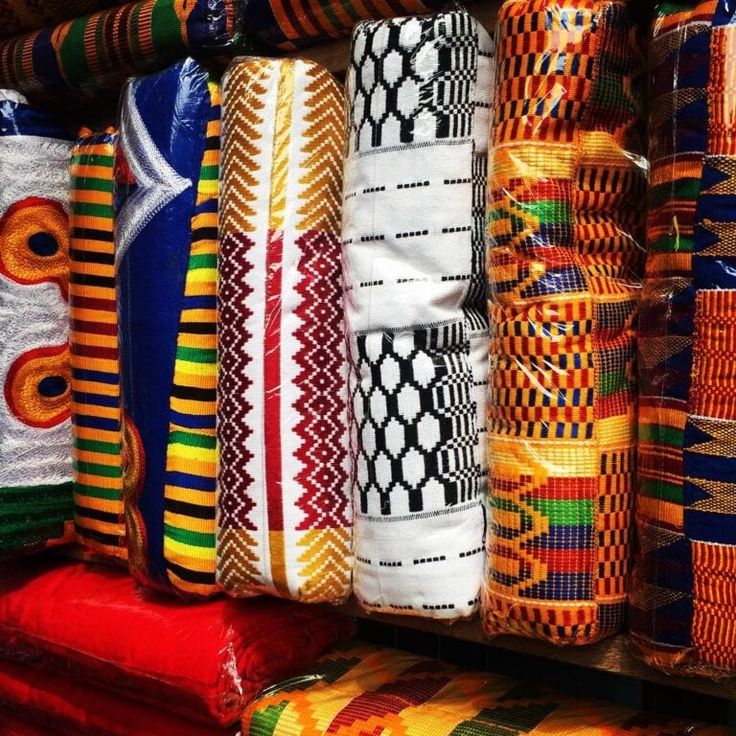
Kente selling artisans in Kejetia market

The Artisans: Masters of Their Craft

DecemberGold, your one-stop guide to the heart of the Ashanti Kingdom, has had the pleasure of meeting with a few artisans at the bustling Kejetia Market to shine a spotlight on their incredible crafts. 

We delved into their journeys, learning about when they started their trades and the progress they’ve made within the market. Their stories will provide a fascinating glimpse into their skills, dedication, and creativity.

From weavers to sculptors, these talented individuals preserve traditional crafts while also embracing innovation. Here are a few artisans you can find in the market:

1. Prince Adu Mensah

Prince began his journey as a kente weaver in Adanwomase, a town in the Ashanti Region. Initially, he would weave beautiful pieces of kente and transport them to his clients at the former Kumasi Central Market and Bantama Market. As he honed his skills and became a master in the craft, his reputation grew, attracting clients from near and far. 

However, the challenge of managing distribution began to hinder his success, causing him to lose some clients and income. When the renovation of the market began in 2015, Prince seized the opportunity to rent a shop at Kejetia Market

This move not only allowed him to establish a permanent presence but also enabled him to hire and train young individuals interested in learning the trade.  He now proudly owns three shops in Kejetia and has a dedicated team of trained artisans who assist him in fulfilling all his clients’ requests.

2. Veronica Akosua Serwaa

Known affectionately as Aunty Serwaa in Kejetia Market, Veronica is a master bead maker with a reputation for selling only authentic Ghanaian beads. She specializes in high-quality beads made from ceramic, metal, gemstones, crystals, and wood—never the imitation glassy types. 

While her prices might be a bit higher, she explains that they reflect the craftsmanship and authenticity of her pieces. Aunty Serwaa’s journey began with her great-grandmother in Krofokrom, where she learned the art of bead making. 

Starting out as a bead hawker, she traveled extensively, bringing her craft to clients across the region. As her business and her inventory of rare, precious beads grew, she realized the need for a permanent location where customers could reliably find her. Establishing her own shop at Kejetia allowed her to settle and build her brand while her clients could access her without her constant travel.

Today, she operates with a dedicated team of workers and apprentices whom she personally trains to maintain her high standards. With a focus on quality and traditional craftsmanship, Aunty Serwaa proudly upholds her reputation as the market’s go-to source for genuine, beautifully crafted Ghanaian beads.

The Takoradi Brothers

Richard Kofi Mensah Ntow, Edward Ntow, and Frank Ntow, known collectively as “The Takoradi Brothers,” have built a reputation for selling authentic Ghanaian leather goods in Kejetia Market. 

Their journey began when their father sent them from Takoradi to Kumasi to learn a trade under their uncle’s guidance. They initially started by selling pure water, but their uncle soon enrolled them as apprentices in carpentry and masonry.

While Kofi Mensah embraced carpentry, Edward wasn’t as drawn to it and left after a year to pursue shoemaking with a friend. Frank joined him, and they began working by bringing clients to their friend, earning a commission on each sale. 

Eventually, tensions over money-sharing arose, and the brothers parted ways with their friend. They soon crossed paths with Wofa Mensah, a highly skilled artisan who taught them everything about shoemaking, bag-making, and working with leather.

Meanwhile, Kofi Mensah completed his carpentry training but found work hard to come by, so he joined his brothers in their growing leather goods venture. Together, they established “The Takoradi Brothers,” a brand that now thrives in Kejetia Market, known for its quality handmade leather shoes, bags, and accessories. 

Their journey reflects resilience, teamwork, and the pursuit of authentic Ghanaian craftsmanship, which has earned them a loyal customer base at the heart of Kumasi’s bustling market.

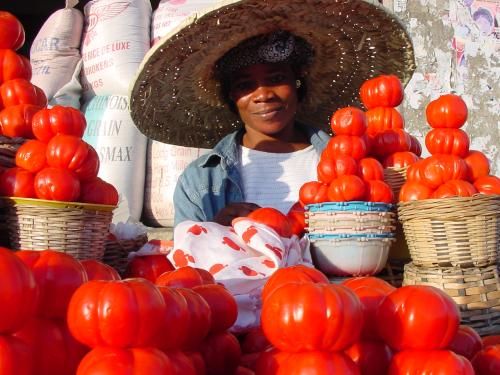
Tomato seller in Kejetia Market

The Cultural Significance of Artistic Crafts

The craftsmanship found at Kejetia Market is more than just a means of livelihood; it is a vital expression of cultural identity. 

Each artisan contributes to the rich values of Ghanaian heritage, ensuring that traditional practices are not forgotten. The significance of these crafts extends beyond aesthetics; they carry stories, beliefs, and values that have been passed down through generations.

By purchasing items from these artisans, visitors not only take home unique souvenirs but also support the preservation of Ghana’s cultural legacy. 

This connection between artisans and consumers helps sustain the local economy and empowers craftspeople to continue their work in the face of globalization and changing market trends. As visitors exploring Kejetia Market, it’s important to support the local artisans who pour their hearts into their crafts. 

Purchasing handmade items directly from the makers fosters a sense of community and encourages the continuation of these traditional practices. Additionally, consider engaging with artisans by asking questions about their work and the techniques they use. 

This interaction not only enriches your shopping experience but also honors the dedication and passion of these skilled craftspeople.

Conclusion: A Journey Through Art and Culture

Kejetia Market is more than just a shopping destination; it is a celebration of craftsmanship and creativity in Kumasi. By visiting this vibrant marketplace, you can immerse yourself in the rich cultural heritage of Ghana while supporting local artisans. 

Each handcrafted item tells a story, and every purchase contributes to the sustainability of traditional crafts. As you journey through the Kejetia Market, each encounter with these skilled artisans brings you closer to the soul of the Ashanti Kingdom. 

Their stories of resilience, heritage, and dedication are woven into every bead, fabric, and leather item, connecting the past with the present through their craft. To truly experience the essence of these artisanal traditions, register with DecemberGold, your dedicated guide to uncovering the remarkable stories behind each handcrafted piece. 

Discover the journeys, techniques, and heritage that breathe life into Kejetia Market’s unique offerings and witness firsthand the artistry that makes this market a cultural gem. With DecemberGold, your journey through Ghana will be not only enjoyable but also filled with memories that celebrate the artistry and creativity of its people.