
TRAVEL.CO
You may choose to be on any of these tours as a single event

Tour Sites
Bomfobiri Wildlife Sanctuary
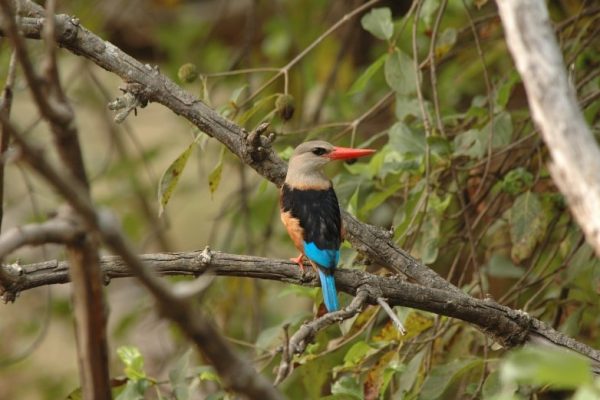
Bomfobiri Wildlife Sanctuary is a bird sanctuary, located about 80 km northeast of Kumasi within a geographical coordinate of 06°54.595’N and 001°17.340’W. The 53 km2 Bomfobiri Wildlife Sanctuary was created in 1975 with a four distinct vegetative types such as Riverine Forest, Rainforest, Woodland Savannah and Grassland Savannah. Animals present on the reserve include several species of birds, crocodiles, baboons, Mona monkeys, buffalos, red river hogs, Maxwell’s duiker, red flank duiker, Bushbuck and monitor lizards The reserve has many forms of attraction point including the Lion Stone (a naturally carved stone resembling a lion), Stone Bridge, Bomfobiri waterfall (serving as a habitat for crocodiles), Wala waterfall (for swimming), and caves. Activities that can be engaged in includes hiking, mountain climbing, game viewing, bird watching, camping and swimming. The reserve takes the crocodile as its symbol
MANHYIA PALACE
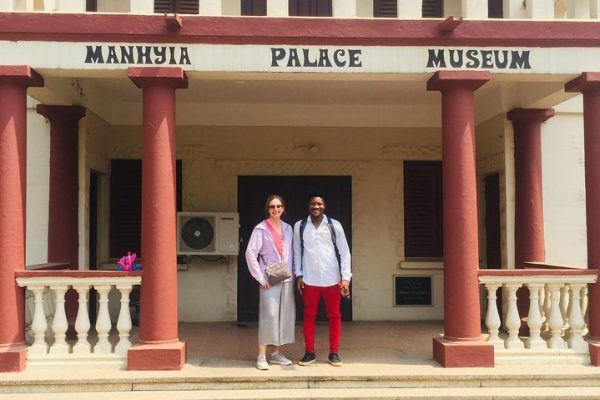
In the heart of Kumasi, Ashanti, Ghana, lies a gem of African history and culture – the Manhyia Palace Museum. This African Art museum, nestled within the grounds of the Manhyia Palace, serves as a vibrant testament to the Ashanti nation’s past and a beacon of cultural legacy that transcends the borders of Ghana.
Established in 1925 as the private residence of Asantehene Agyeman Prempeh I, who was returning from nearly three decades of exile, the museum echoes the stories of Ashantiland and its rich heritage, prior to British colonization. This invaluable institution stands as a memorial to the Ashanti kings, queens, and leaders, breathing life into their histories and broadcasting the wealth of their culture to generations yet unborn.
NTONSO ADINKRA VILLAGE
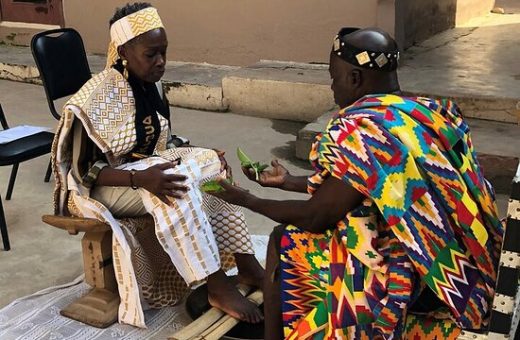
Ntonso is the homeland of adinkra cloth and the only place in Ghana where traditional adinkra is made locally from scratch. Ntonso is still Ghana’s biggest producer of adinkra, a cloth famed for its symbols and proverbial wisdom. The cloth was originally worn only for funerals in the Ashanti Region and produced mainly in black, brown and red. These days, however, it is made in all colors and used throughout Ghana. Ntonso has a new visitor center and lays on official guided tours. On a walking tour, visitors can engage in the various stages of adinkra production, such as dye preparation, cloth dyeing, adinkra stamping and embroidery of stamped cloth.
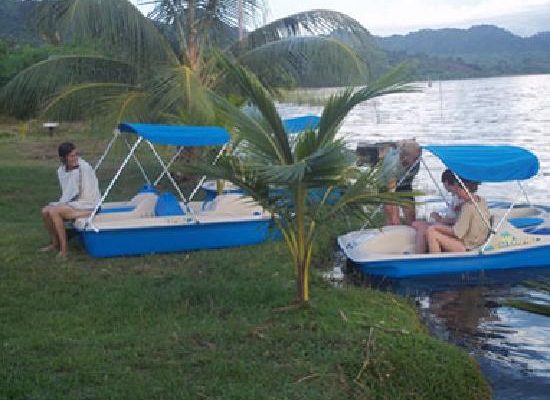
LAKE BOSOMTWE
Lake Bosomtwe is the only true inland lake in the country located in the Ashanti region. It is an awesome place to relax and enjoy nature. The lake has no surface outlet and was formed in a meteorite impact crater with an area of 19 square miles (49 square km) and a depth of 230–240 feet (70–73 metres), The lake is surrounded by lush mountains and fed by small streams that tumble down the crater’s steep sides (500–1,400 feet [150–425 metres] above water level).
Situated in the Ashanti region of Ghana, Lake Bosomtwe is one of six UNESCO designated biosphere reserve sites. It is one of three of such internationally recognized sites in the country
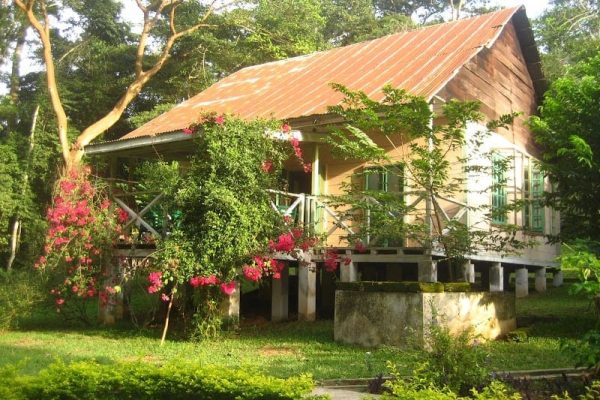
BOBIRI
The Bobiri Forest and Butterfly Sanctuary is 54 square kilometres of virgin semi-deciduous tropical rainforest offering natural delights and one of the nicest ecotourism visitor centres and guesthouses in Ghana. See Bobiri’s massive trees, wide variety of birds, landscape butterfly garden (to showcase the sanctuary’s 400-plus butterfly species) and arboretum with plant labels. Each room of the guesthouse and visitor centre features a different mural painting created by a talented local artist.
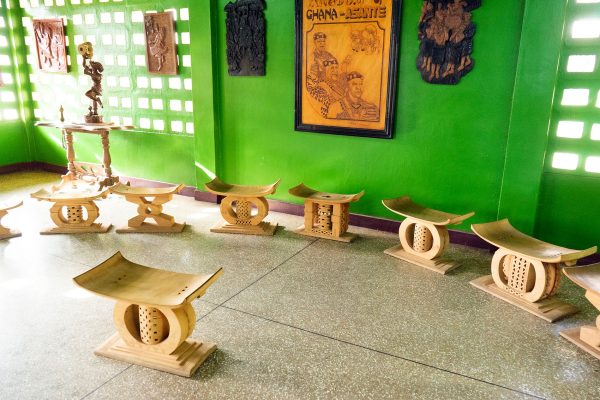
OKOMFO ANOKYE SWORD
The ‘immovable’ Sword driven into the ground by Okomfo Anokye remains and is venue of the Okomfo Anokye Teaching Hospital. History has it that the sword was pushed into the ground, almost 300 years ago. It is believed the Okomfo pronounced that no one would be able to remove the sword, and so it has remained in spite of attempts. The Ashanti state, it is believed, would collapse should the sword ever be pulled out of the ground.
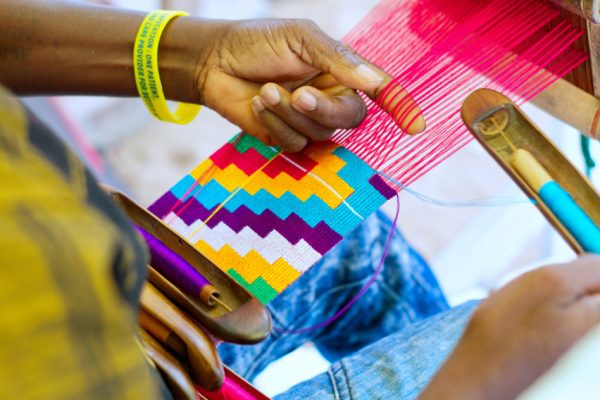
BONWIRE KENTE VILLAGE
Bonwire is located 18km on the Kumasi-Mampong Road, Bonwire is popular for Kente weaving.
Kente is a colourful Ghanaian traditional fabric which is worn mostly on important occasions and celebrations.
Kente was developed around 17th Century A.D by the people of Asanti the Kingdom; it can be traced to the long tradition of weaving in African dating back to circa 3000 BC. The origin of Kente is grounded in both legends and history. For the legend, a man named Ota Karaban and friend, Kwaku from a town called Bonwire (a leading town for the production of Kente in Ghana) had their weaving lessons from a spider that was weaving its web
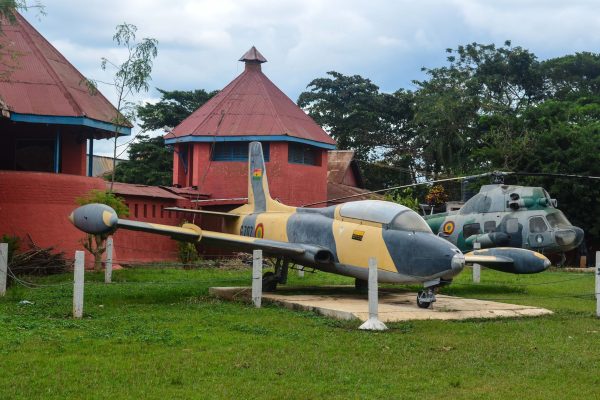
MILITARY MUSEUM
The Kumasi Fort and Military Museum is one of few military museums in Africa. It is located in the Uaddara Barracks in Kumasi, the capital city of the Ashanti Region of Ghana. The Prempeh Museum, Kumasi Cultural Centre, Kumasi Zoo and Kumasi Central market are all within walking distance of the fort.
The Kumasi Fort was built in 1820 by the Asantehene (the King of the Asante Kingdom), Osei Tutu Kwamina, to resemble the coastal forts which were built by European merchants. Kumasi Fort had to be rebuilt in 1897, after it was destroyed by British forces in 1874. The fort was built from granite and brown soil that was brought from Cape Coast to Kumasi by porters.
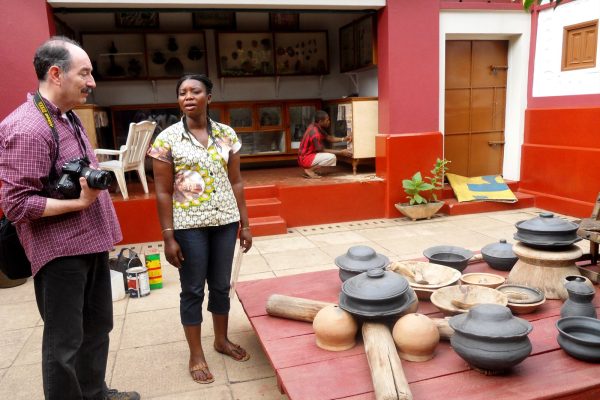
CULTURAL CENTER
The National Cultural Centre is set within peaceful, shaded grounds and includes craft workshops, where you can see brassworking, woodcarving, pottery making, batik cloth dyeing and kente cloth weaving, as well as a gallery and crafts shop.
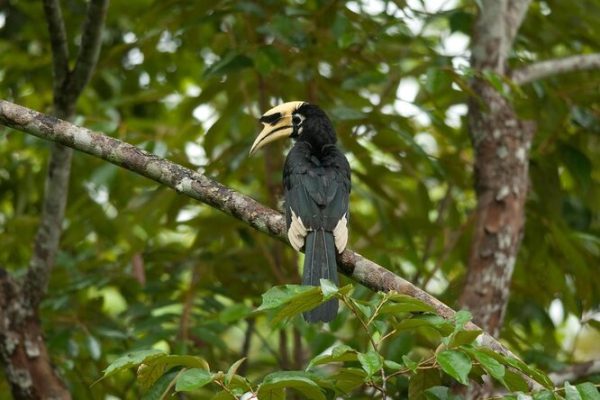
OWABI
A bird Sanctuary located near Kumasi. It protects the catchment area of one of the dams use for water supply to the Kumasi metropolis. Until the construction of the Barekese Dam in 1971, Owabi was the only source of water to Kumasi. Owabi Wildlife Sanctuary is the smallest of 4 Wildlife Protected areas in Ghana. It is 13km² in size, and lies approximately 23km northwest of Kumasi. It has an inner Sanctuary of about 7km, which surrounds a lake, formed by the damming of the Owabi River in 1928.
A plantation of an exotic species, Cassia siamea, covers about 10% of the area. The rest consist of secondary vegetation and small areas of riverine forest and aquatic vegetation.
One hundred and ninety nine species of vascular plants been identified. These include 91 tree, 19 shrub, 40 herb, 14 grass, 1 parasite, 6 ferns, and 29 climber species.
The avifauna is relatively rich with indigenous birds and some migrants. 161 birds consisting of 29 families have been recorded, 13 of which are listed in Appendix II of the Convention on International Trade in Endangered Species of Wild Fauna and Flora (CITES). The Sanctuary is also the only inland Ramsar Site in Ghana.