
Ghana is believed to be home to over 900 species of butterflies, many of which can be spotted in Kakum, Bia, and Ankasa forest reserves, based on several studies. Yet, of these diverse species, it’s estimated that over 400—including some rare and unique types—can be found within the Bobiri Forest Reserve near Kumasi.
This sanctuary, renowned for its rich biodiversity, offers one of the most extraordinary butterfly-viewing experiences in Ghana, where vibrant wings and intricate patterns transform the forest into a natural gallery of colors and life.
In this article, Decembergold will take you through the extraordinary butterflies of Bobiri, how to spot them, and how this sanctuary is helping preserve their delicate habitat.
The Beauty of Bobiri Forest and Its Butterfly Sanctuary
Every year, mostly around April to October, Ghana experiences a spectacular display of different butterfly species throughout the country, and Bobiri Forest is no exception. During this vibrant season, the sanctuary becomes a haven for butterfly enthusiasts and nature lovers alike.
Bobiri Forest and Butterfly Sanctuary is not just a place for these beautiful creatures to thrive; it’s a dedicated space for conservation and education, inviting everyone to witness the delicate beauty of these fascinating insects in their natural habitat.
The sanctuary is an incredible gem in Ghana, dedicated to butterfly conservation and education. Thanks to its unique ecosystem that includes a wide variety of native trees, flowering plants, and water sources, all providing ideal conditions for butterfly life cycles.
The forest’s biodiversity supports the feeding and breeding requirements of butterflies, attracting species from across the region.
In total, the forest reserve is home to around 400 butterfly species and more, making it an ecological treasure for conservation efforts. The sanctuary is not just a place for butterflies to thrive; it’s also a hub for conservationists and researchers who work to protect these delicate species from threats like habitat loss and climate change.
Bobiri’s conservation efforts, including habitat preservation and community education, are essential to the survival of these butterflies, ensuring that future generations will also experience the magic of this butterfly haven.
Top Fascinating Butterflies to Look For in the Sanctuary
Bobiri Forest, as earlier discussed, is home to an array of butterflies, each with distinct colors, patterns, and behaviors.
Spotting them can be a rewarding experience for any visitor, especially when you know which ones to look out for, although it may seem difficult to do so. Here’s a closer look at some of the most fascinating butterflies you’ll encounter at Bobiri:
1. Blue Pansy (Junonia orithya)
The Blue Pansy is one of the most common and recognizable butterfly species found in Bobiri Forest.
This butterfly thrives in various habitats, including grasslands, gardens, and open forests, making it a frequent visitor to the sanctuary.
Its vibrant colors and distinctive patterns make it a favorite among butterfly watchers and photographers alike. The Blue Pansy is easily identified by its striking blue upper wings, adorned with vibrant orange and black spots that create a captivating contrast.
These bold colors allow the butterfly to stand out beautifully against the green foliage of the forest. Often, you can find them basking in open, sunny areas, where they warm themselves under the sun’s rays.
This behavior not only makes them more visible but also provides an excellent opportunity for nature enthusiasts to capture stunning close-up shots. Beyond its aesthetic appeal, the Blue Pansy holds significant cultural importance. It is widely recognized as a symbol of transformation and beauty across various cultures.
Observing this butterfly in its natural habitat is a truly enchanting experience, showcasing the delicate balance of nature within Bobiri Forest.

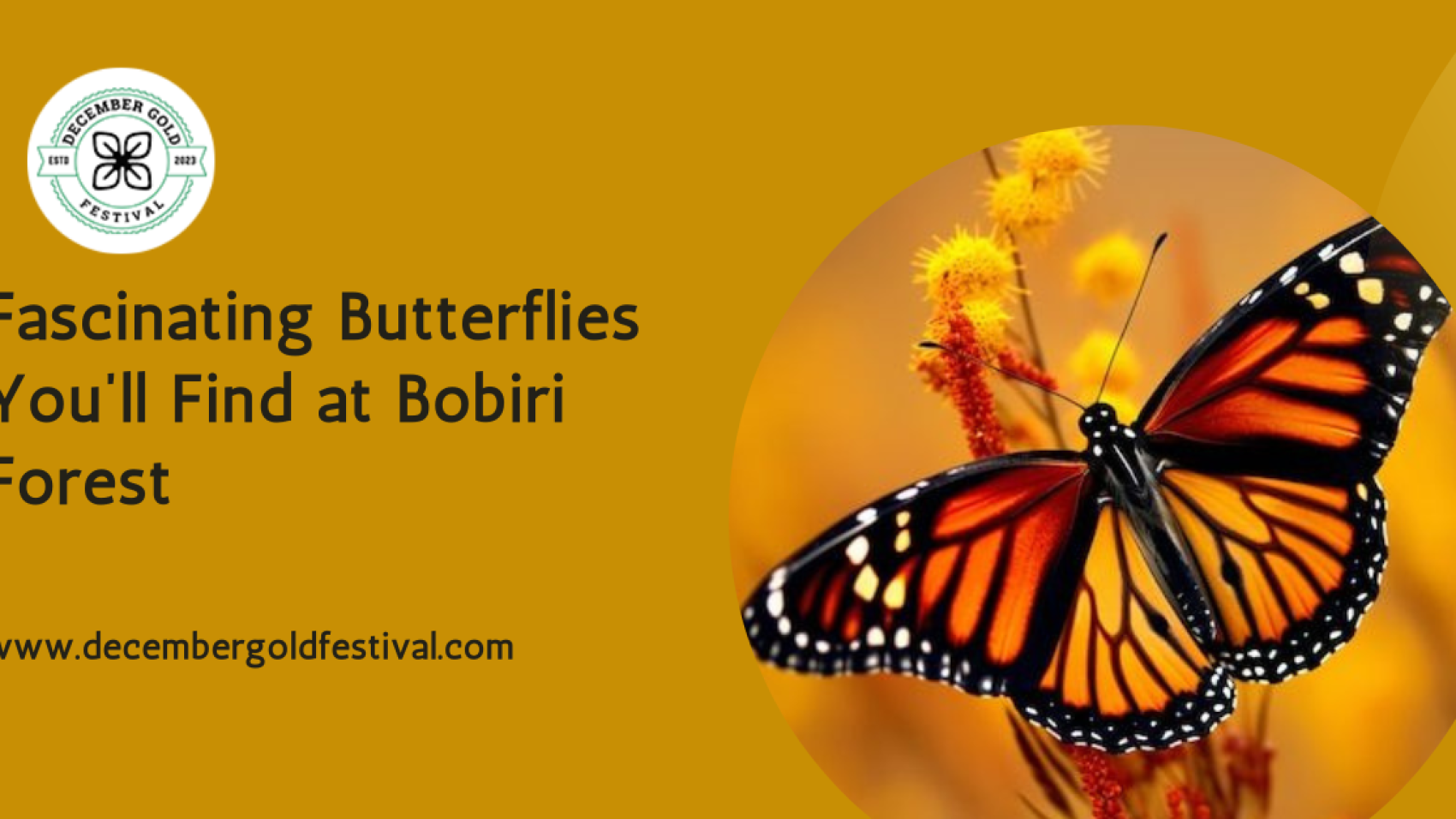
The African Monarch (Danaus chrysippus)
The African Monarch is also one of the most recognizable butterfly species found in Bobiri Forest.
This striking butterfly is quite common across various regions in Africa, thriving in open fields, gardens, and, of course, the rich biodiversity of Bobiri.
It’s known for its remarkable migratory behavior and has captured the attention of both researchers and nature enthusiasts alike.
In terms of appearance, the African Monarch is truly a sight to behold. Its wings are a vivid orange, adorned with intricate black borders and white spots, resembling its North American counterpart, the Monarch butterfly.
This stunning coloration serves not only as a visual delight for observers but also plays a crucial role in its survival, as the bright hues can warn potential predators of its toxicity.
Behaviorally, the African Monarch is known for its social nature, often seen gathering in groups, creating a mesmerizing spectacle as they flutter together in the sunlit areas of the forest.
Ecologically, the African monarch plays a vital role in the ecosystem. By feeding on milkweed, it absorbs toxic compounds that deter predators, showcasing nature’s intricate survival mechanisms.
This relationship with milkweed not only benefits the butterfly but also highlights the importance of preserving these plants within the forest environment, ensuring a stable habitat for future generations of butterflies.

Charaxes Butterflies
Among the diverse butterfly species found in Bobiri Forest, Charaxis butterflies are a remarkable group belonging to the Charaxinae family.
While they can be found in various regions across Ghana, their presence in Bobiri Forest highlights the area’s rich biodiversity. These butterflies are particularly known for their striking beauty and significant ecological role within the forest ecosystem.
Charaxes butterflies are easily recognizable due to their robust wings, which are adorned in stunning shades of orange and blue. This vibrant coloration not only captivates the eyes of onlookers but also serves a crucial function in their survival. Often referred to as ‘leafwings’ because of their impressive camouflage, they blend seamlessly into their surroundings, making it difficult for predators to spot them.
In terms of behavior, Charaxes butterflies are territorial creatures. They exhibit powerful and agile flight patterns, often patrolling their territory to fend off rivals. This assertiveness is a key aspect of their survival strategy, ensuring that they can access the resources they need for feeding and reproduction.
The ecological significance of Charaxes butterflies extends beyond their striking appearance and behavior. Their ability to camouflage with the foliage contributes to the rich tapestry of biodiversity within Bobiri Forest.
By feeding on the nectar of various plants, they play a vital role in pollination, facilitating the growth and reproduction of numerous plant species. In this way, Charaxes butterflies not only enhance the beauty of the forest but also support the delicate balance of the ecosystem.
Best Seasons and Times for Butterfly Spotting in Bobiri Forest
Butterfly activity at Bobiri varies by season. The rainy season, when flowers are in full bloom, attracts more butterflies, while the dry season provides clearer conditions for viewing.
In fact, the butterflies can be viewed anytime of the year; however, the abundance of them can only be seen around April to October. Most travellers or tourists who come around in December are also graced with a great amount of butterflies in the sanctuary, especially the rare ones.
This season is particularly special as certain species of butterflies, which may be elusive at other times of the year, are more readily spotted.
The combination of holiday travel and the presence of rare butterfly species adds a festive vibrancy to the sanctuary, making December a rewarding time to visit for both nature lovers and casual tourists alike.
Summary
For tourists planning a trip to Ghana, especially in December, a visit to Bobiri Forest and Butterfly Sanctuary offers a memorable experience full of learning, adventure, and family fun.
With the abundance of butterflies on full display, December is a fantastic time to explore the sanctuary and appreciate the beauty and diversity of these incredible insects.
With DecemberGold, we help our tourists capture stunning close-ups of rare butterfly species by following a few simple photography tips. These small efforts we give always help create vibrant and memorable photos to cherish.
Beyond photographing butterflies, learning about their life cycles adds an educational element to the experience. Just observing the transformation from egg to caterpillar and then witnessing a butterfly emerge from its chrysalis is a fascinating journey that both children and adults will find captivating.
This is definitely an ideal family activity that connects you with nature and reveals the delicate stages of butterfly development in a truly immersive way.
Planning your trip between March and November provides the best butterfly-watching opportunities, yet December brings its own appeal with unique sightings, guided tours, and tranquil forest trails. Easily accessible from Kumasi, Bobiri Forest is an ideal addition to your Ghana itinerary, blending relaxation with exploration.
For those looking to make their trip seamless and unforgettable, consider reaching out to DecemberGold. With our years of expertise in creating customized, enjoyable travel experiences to Ghana, DecemberGold ensures your visit to Bobiri and beyond is filled with cherished memories. Let us help you design the perfect Ghanaian adventure that brings your dream trip to life!